Vehicular Homicide in Florida

Vehicular Homicide Florida Lawyer

Vehicular Homicide Florida Law

Can a Speeding Vehicle that crashes and results in the Death of a Passenger Result in Vehicular Homicide Charges in Florida?

Vehicular Homicide charges can be filed after a death in a crash. However, speed alone will not be enough to be convicted. The law differentiates between negligent driving conduct, which exposes a wrongdoer to civil liability, and criminal driving conduct, which subjects a person to incarceration and other criminal sanctions. Case law strictly construes criminal driving statutes to prevent the net of the criminal law from sweeping so broadly that it snares all conduct, both criminal and negligent. The lenity principle codified at section 775.021(1)- (2), Florida Statutes (2014), requires criminal statutes to be strictly construed in the accused’s favor. See State v. Byars, 823 So. 2d 740, 742 (Fla. 2002); McGhee v. State, 847 So. 2d 498, 503 (Fla. 4th DCA 2003).

Part of the rationale for this approach is historical, deriving from common law crimes, where there was “the ancient requirement of a culpable state of mind.” Morissette v. United States, 342 U.S. 246, 250 (1952). To blur the line between mere negligence and criminal intent would, borrowing Justice Jackson’s words, “ease the prosecution’s path to conviction, [ ] strip the defendant of such benefit as he derived at common law from innocence of evil purpose, and [ ] circumscribe the freedom heretofore allowed juries.” Id. at 263.

Consistent with this view, the Florida Supreme Court has held “statutes criminalizing simple negligence to be unconstitutional.” State v. Smith, 638 So. 2d 509, 510 (Fla. 1994). “[U]nintentional conduct [ ] not generated by culpable negligence” will not support criminal liability. State v. Hamilton, 388 So. 2d 561, 563 (Fla. 1980); see also State v. Winters, 346 So. 2d 991, 994 (Fla. 1977). Case law applying the statute at issue here preserves the distinction between negligence and criminal conduct. “‘Vehicular homicide’ is the killing of a human being . . . caused by the operation of a motor vehicle by another in a reckless manner likely to cause death of, or great bodily harm to, another.” § 782.071, Fla. Stat. (2014). “The degree of culpability required for vehicular homicide is less than that necessary to prove manslaughter, but it is more than a mere failure to use ordinary care.” Stracar v. State, 126 So. 3d 379, 381 (Fla. 4th DCA 2013). “Vehicular homicide cannot be proven without also proving the elements of reckless driving, which requires proof of a ‘willful or wanton disregard for the safety of persons or property.’” Santisteban v. State, 72 So. 3d 187, 195 (Fla. 4th DCA 2011) (quoting § 316.192(1)(a), Fla. Stat.). “‘Willful’ means ‘intentional, knowing, and purposeful,’ and ‘wanton’ means with a ‘conscious and intentional indifference to consequences and with knowledge that damage is likely to be done to persons or property.’” Lewek v. State, 702 So. 2d 527, 530-31 (Fla. 4th DCA 1997) (quoting Fla. Std. Jury Instr. (Crim.)).

“In determining whether a defendant was driving recklessly, the essential inquiry is whether the defendant knowingly drove the vehicle in such a manner and under such conditions as was likely to cause death or great bodily harm.” Santisteban, 72 So. 3d at 195. Although the defendant need not have foreseen the specific circumstances causing the death of the victim, the defendant should have reasonably foreseen that the same general type of harm might occur if he knowingly drove his vehicle under circumstances that would likely cause death or great bodily harm to another. Id. “Speed alone does not constitute reckless conduct unless the speed is shown to be grossly excessive.” Rubinger v. State, 98 So. 3d 659, 662 (Fla. 4th DCA 2012).

In cases affirming convictions for vehicular homicide or manslaughter by culpable negligence, it is excessive speed, in combination with other factors, that support the convictions. For example, in Copertino v. State, the defendant was driving 90.41 mph in a residential area in a Honda Civic packed with nine persons, “7 of whom were crammed into the back seat without seatbelts.” 726 So. 2d 330, 333 (Fla. 4th DCA 1999). We held that these facts evinced “the required reckless disregard for human life or the consequences on the safety of his passengers” contemplated by the manslaughter statute. Id.

Similarly, in Pozo v. State, the defendant was looking for a compact disc when driving anywhere from 67-90 mph in a residential neighborhood, while heading into a rain shower. 963 So. 2d 831, 833-34 (Fla. 4th DCA 2007). We held these facts to be sufficient to withstand a motion for judgment of acquittal. Id. at 834.

Recently, this Court affirmed the denial of the defendant’s motion for judgment of acquittal on a vehicular homicide charge. Opsincs v. State, 185 So. 3d 654 (Fla. 4th DCA 2016). “The State’s expert testified that the speed limit was 50 mph and that appellant’s speed was 69 mph at the time of impact. The roads were wet from the rain earlier in the day.” Id. at 657. Moreover, “[i]mmediately before the accident, appellant swerved through traffic, rapidly approached the traffic light while looking down and without braking, and ran a light that had been red for nine seconds before impact.” Id. And in Lewek v. State, the defendant was traveling 60 mph on a residential road with a 45 mph speed limit, in a car with unsafe equipment, and he ran a red light that had been red for five seconds. 702 So. 2d at 531. We held these facts sufficient to support two vehicular homicide convictions. Id.; see also Santisteban, 72 So. 3d at 196 (vehicular manslaughter conviction affirmed where driver of a gasoline tanker filled with 9,000 gallons of fuel went 56-60 mph on a curving highway ramp with an advisory speed of 35 mph, while weaving and cutting off other drivers).

In Stracar v. State, 126 So. 3d 379 (Fla. 4th DCA 2013). There, this Court reversed convictions for two counts of vehicular homicide after finding that the state failed to show that the defendant was driving in a reckless manner. Id. at 380. In denying Stracar’s motions for judgment of acquittal, the trial court detailed the facts of the case: The evidence at trial was that the Defendant [Stracar] was driving a vehicle which left the roadway, traveled along a sidewalk and a grassy area, crossed a divided roadway and hit a sign which launched the car over a median of the intersecting street and land[ed] on the victims [sic] car crushing the two occupants. Ms. Stracar traveled … for over 500 feet at approximately 40 miles per hour. She suffered no serious injuries and was found conscious in her vehicle at the scene. She had to be removed through the roof due to crash damage. Id. “There was no evidence of any braking or other attempt by appellant to avoid the crash, nor were there any curves in the roadway which would have contributed to appellant losing control of her vehicle.” Id. at 380-81. Moreover, at the time of the incident, “the weather conditions were optimal and the pavement was dry.” Id. at 381. Three hours after the accident, Stracar’s blood test results indicated a blood alcohol level of “less than .02%, THC from marijuana use at some undetermined time, oxycodone at a potentially therapeutic level, and Xanax within therapeutic levels.” Id. There was no evidence of unsafe or erratic driving prior to the accident. Id. This Court held that “appellant’s actions, while certainly negligent, did not rise to the level of recklessness sufficient to sustain the convictions for vehicular homicide.” Id. [W]hat was missing from the State’s proof in this case is evidence that the appellant, in an intentional, knowing and purposeful manner, was driving at the time of the incident in a manner demonstrating a conscious and intentional indifference to consequences and with knowledge that damage is likely to be done to persons or property. Id. at 382.

Florida Association of Criminal Defense Lawyers Summary


Here is the Florida Association of Criminal Defense Lawyers Summary of Damoah v. State, 41 Fla. L. Weekly D957b (Fla. 4 th DCA 2016) –  Damoah drove a car that crashed on a I-95 exit ramp. The crash caused the death of her  boyfriend. She was convicted of vehicular homicide and sentenced to 12 years in prison. On the  date of the incident, the exit ramp was technically a Department of Transportation construction  zone, even though no construction machinery or barriers were present. Construction had been  finished and the roadway repaved, but the Department had not yet given its final approval. As a  result, no speed limit signs were posted. The evidence was insufficient to support the conviction  for vehicular homicide. Excessive speed alone, without a showing of other reckless conduct, is  insufficient to support a vehicular homicide conviction. The evidence was also insufficient to  support a conviction for the lesser included offenses of reckless driving and culpable negligence.  The court remanded for the trial court to enter a judgment of acquittal and discharge her.

Source: https://www.4dca.org/opinions/April%202016/04-20-16/4D14-2412.op.pdf

Seizure | When has a Suspect or Defendant been Seized?

A seizure occurs when a reasonable person in the defendant’s position would not feel free to terminate the encounter.

Detention Arrest Seizure Florida

When has a Seizure of a Suspect or Defendant Occurred?

Recently I reviewed a case where the cop told a suspect that if he moved, he would be shot. He was not handcuffed or arrested at that point. Was this a seizure? YES The term “seizure” is an important concept in criminal defense. A person can be “seized” before he is actually restrained by physical force at the moment when, given all the circumstances, a reasonable person would believe he is not free to leave. Michigan v. Chesternut, 486 U.S. 567, 573 (1988). As the Supreme Court reaffirmed in Florida v. Bostick,, the test for determining whether a Terry stop has taken place “is whether a reasonable person would feel free to decline the officers’ requests or otherwise terminate the encounter.” 501 U.S. at 436.

Under Florida law the question of a seizure turns on “whether, taking into account all of the circumstances surrounding the encounter, the police conduct would ‘have communicated to a reasonable person that he was not at liberty to ignore the police presence and go about his business.'” Bostick at 437. The court stressed in Chesternut that there is a need for a seizure test which “calls for consistent application from one police encounter to the next” and permits police “to determine in advance whether the conduct contemplated will implicate the Fourth Amendment.” Chesternut at 574.

“Law enforcement officers do not violate the Fourth Amendment by merely approaching an individual on the street or in another public place, by asking him if he is willing to answer some questions, by putting questions to him if the person is willing to listen, or by offering in evidence in a criminal prosecution his voluntary answers to such questions.” Florida v. Royer, 460 U.S. 491, 497; 523, n. 3 (REHNQUIST, J., dissenting).

Gasparilla BUI Attorney Lawyer Video – Possession of Alcohol Under 21

BUI BOAT 3054 Attorney Gasparilla Arrest
Possession of Alcohol Under 21 
MISC0112  
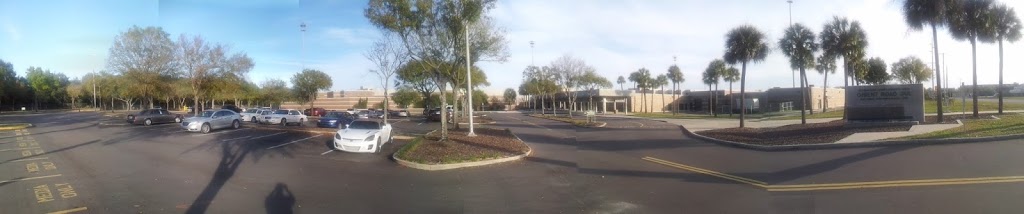
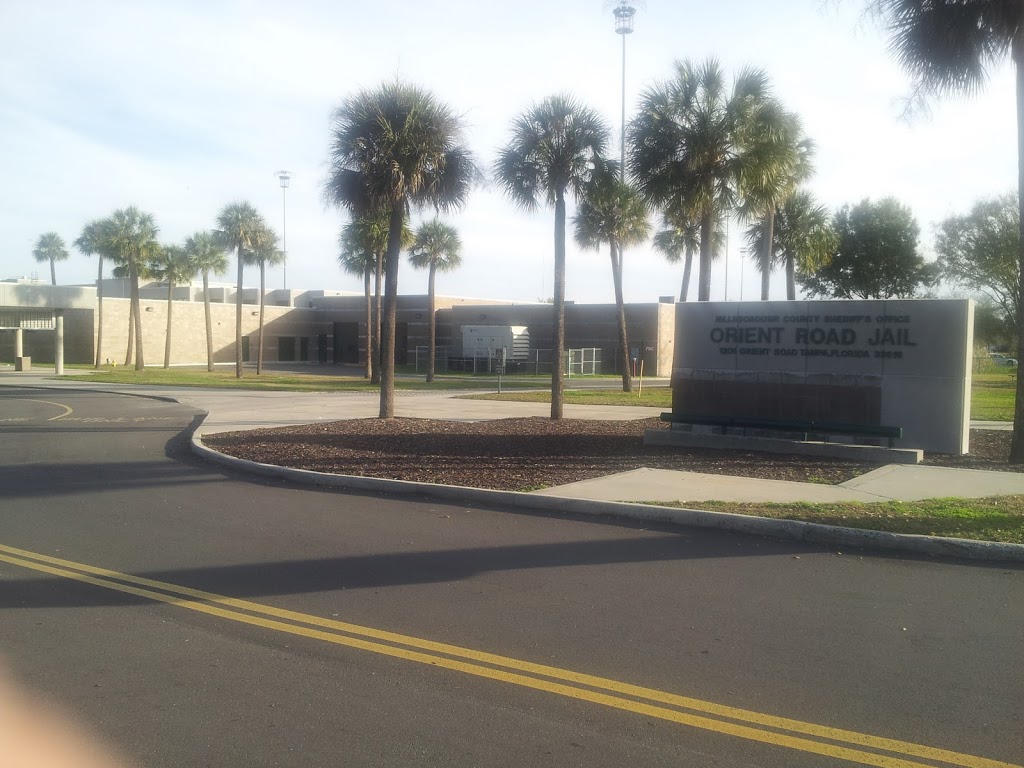
Tampa Criminal Defense BUI Attorney will be providing live Arrest Reports we will not be using names, but only the charges made, the time and location of the Gasparilla Arrests  from the Gasparilla Pirate Fest. We will have video and updates throughout the day. We will be monitoring several sources including the Hillsborough County Jail on Orient Road near Tampa Florida.


Boating Under the Influence Penalties for BOAT 3054 BUI Boating Under the Influence include jail time, fines up to $500.00 for 1st offenses, up to $1,000 for 2nd offenses, and completion of drug and/or  alcohol rehabilitation programs. 3rd or 4th convictions of BUI are often charged with a felony instead of a misdemeanor.Possession of Alcohol Under 21 MISC0112 was the most frequent charge for Gasparilla 2012 Arrests. It appears there were far fewer arrests this year than last year’s 359 arrests. Fox Tampa Bay reports, “Over 200 open container citations were issued and only 16 adults were arrested – 14 of those were misdemeanor charges.” These numbers are consistent with our reporter’s investigation and other sources we monitored.


Criminal Defense Attorney Needed?  Call 813-222-2220 .


While there were several DUI charges in the early morning, it was not until late afternoon that we saw a BUI  Boating Under the Influence Arrest BOAT 3054 in Garrison Channel. In 2010 there were 5 Gasparilla Pirate Fest BUI Boating Under the Influence Arrests. The Police, Sheriff’s Office, Coast Guard, and Florida Fish and Wildlife may be using a Mobile Facility this year to process arrests made on the water. Penalties for BUI – boating under the influence can include jail time, fines up to $500.00 for 1st offenses, fines up to $1,000 for 2nd offenses, and drug and alcohol rehabilitation programs. Those facing 3rd and 4th convictions of BUI are often charged with a felony instead of a misdemeanor.


Orient Road Jail Hillsborough County, Florida near Tampa


Hourly Arrest Updates


11 pm Arrest UpdateNo Gasparilla arrest suspects were booked into the Orient Road Jail this hour. Hopefully it has quieted for the night and no one else will get in trouble. We will be working all weekend, so if anyone has questions call 813-222-2220.


10 pm Arrest Update


BUI Seddon Channel 5:45 pm
BUI Hookers Point 6:38 pm
Obstruct Kennedy 7:22 pm

9 pm Arrest Update


Obstruct Ashley St 2:30 pm
Obstruct Platt St 2:30 pm
BUI Hillsborough River 4:29 pm
Trespass Fielding St 4:45 pm
BUI Port of Tampa 5:25 pm
DUI Bay to Bay 5:45 pm
BUI Seddon Channel 5:53 pm

8 pm Gasparilla Arrest Update


Poss Alcohol Minor Bayshore 4:00 pm
Disorderly Conduct  Bayshore 4:16 pm

7 pm Gasparilla Arrest Update
 

BUI Garrison Channel 4:09 pm

 
6 pm Gasparilla Arrest Update


Theft Morrison 2:46 pm
Poss Ecstasy Bayshore 2:50 pm
Theft Morrison 3:10 pm
Disorderly Conduct Morrison 3:20 pm


5 pm Arrest Update


Trespass Bayshore 1:15 pm 
Minor Poss Alcohol Bayshore 1:55 pm 
Minor Poss Alcohol Howard 1:55 pm 
Minor Poss Alcohol Howard 2:00 pm 
False ID Howard 2:00 pm


4 pm Gasparilla Arrest Update


While the early morning was busy at Ashley Drive and Kennedy Boulevard, has been quiet.

 
3 pm Gasparilla Arrest Update
 

All quiet . Makes me wonder if the arrests are being handled at a remote booking facility.

 
2 pm Gasparilla Arrest Update
 

All quiet at the Hillsborough County Jail

 
1 pm Gasparilla Arrest Update
 

All quiet on the Bayfront

 
Noon Gasparilla Arrest Update
 

After quite a bit of early morning DUI activity on Ashley and Kennedy early this morning – seems quiet now.

 
11 am Arrest Update


DUI Bayshore 12:00 Midnite
Battery Platt Street 1:44 am
DUI Kennedy 157 am
DUI Howard Ave 3:35 am
DUI Ashley 4:15 am
DUI Ashley 4:33 am
DUI Platt 4:36 am
DUI Kennedy 4:41am

Latitude 27.947500° N
Longitude 82.458611° W


Criminal Defense Attorney Needed?  Call 813-222-2220 .

>

Gasparilla Zero Tolerance Policy includes:

Must be 21 or older to consume alcohol

No trespassing on private property

562.111 Possession of alcoholic beverages by persons under age 21 prohibited.

(1) It is unlawful for any person under the age of 21 years, except a person employed under the provisions of s. 562.13 acting in the scope of her or his employment, to have in her or his possession alcoholic beverages, except that nothing contained in this subsection shall preclude the employment of any person 18 years of age or older in the sale, preparation, or service of alcoholic beverages in licensed premises in any establishment licensed by the Division of Alcoholic Beverages and Tobacco or the Division of Hotels and Restaurants. Notwithstanding the provisions of s. 562.45, any person under the age of 21 who is convicted of a violation of this subsection is guilty of a misdemeanor of the second degree, punishable as provided in s. 775.082 or s. 775.083; however, any person under the age of 21 who has been convicted of a violation of this subsection and who is thereafter convicted of a further violation of this subsection is, upon conviction of the further offense, guilty of a misdemeanor of the first degree, punishable as provided in s. 775.082 or s. 775.083.

(3) In addition to any other penalty imposed for a violation of subsection (1), the court shall direct the Department of Highway Safety and Motor Vehicles to withhold issuance of, or suspend or revoke, the violator’s driver’s license or driving privilege, as provided in s. 322.056.

FRAU3000 FRAUDULENT USE OF CREDIT CARD OVER $100

817.61, Credit Card Fraud Over $1000, Defense Attorney Tampa, FRAU3000, FRAUDULENT USE OF CREDIT CARD OVER $100,
Credit Card Fraud Over $100

Fraudulent Use of a Credit card with victim loss exceeding $100.00 is the forty-third (43rd) most frequent charge for those arrested in Tampa, Hillsborough County, Florida. There are over 1600 ways to get into the county jail. This is number 43.

If you have been charged with FRAU3000 FRAUDULENT USE OF CREDIT CARD OVER $100 you can call a Defense Attorney Tampa at 813-222-2220 and tell me your story.

Form Code: FRAU3000


Florida Statute: 817.61
Level: Fel (Felony)
Degree: 3rd

Description: FRAUDULENT USE OF CREDIT CARD OVER $100


FRAU3000 FRAUDULENT USE OF CREDIT CARD OVER $100 is often charged in Hillsborough County, Florida.

Title XLVI CRIMES
Chapter 817 FRAUDULENT PRACTICES

817.61 Fraudulent use of credit cards.

A person who, with intent to defraud the issuer or a person or organization providing money, goods, services, or anything else of value or any other person, uses, for the purpose of obtaining money, goods, services, or anything else of value, a credit card obtained or retained in violation of this part or a credit card which he or she knows is forged, or who obtains money, goods, services, or anything else of value by representing, without the consent of the cardholder, that he or she is the holder of a specified card or by representing that he or she is the holder of a card and such card has not in fact been issued violates this section. A person who, in any 6-month period, uses a credit card in violation of this section two or fewer times, or obtains money, goods, services, or anything else in violation of this section the value of which is less than $100, is subject to the penalties set forth in s. 817.67
(1). A person who, in any 6-month period, uses a credit card in violation of this section more than two times, or obtains money, goods, services, or anything else in violation of this section the value of which is $100 or more, is subject to the penalties set forth in s. 817.67(2).

Top 50 Ways Into Hillsborough County Jail | Tampa

Hillsborough County Jail

Top 50 Ways to End up Inside the Hillsborough County Jail

Here are some statistics from Tampa’s Hillsborough County Jail. We have collected the top 50 ways to end up in Tampa, Florida’s jail and have shared them below.

Understanding Arrest Statistics in Tampa, Florida

Here are some statistics from Tampa’s Hillsborough County Jail regarding various arrest reasons:

Top Reasons for Arrest:

    1. Drug-related charges
    2. Traffic violations
    3. Theft-related charges

Exploring Arrest Records:

We have reviewed a number of arrest records, and it appears there are numerous different ways that can lead to arrests for various criminal charges within this major metropolitan jail.

It’s important to note that engaging in illegal activities can have serious consequences, and we encourage everyone to follow the law and make responsible choices.

Drug and Traffic charges dominate the Top Ten. Theft charges seem to take the second group of ten. We have reviewed a number of other arrest records and it appears there are 1656 different ways to end up arrested for criminal charges and inside of  this major metropolitan jail. Lets take a look at the Top Ten.

Top 10 Ways to Get Arrested in One Florida County

1. Driving with License Canceled, Suspended, or Revoked (TRAF6075)

Statute: 322.34.2A

Level: Misdemeanor (2nd-degree)

Driving with a canceled, suspended, or revoked license is a 2nd-degree misdemeanor. Violating this law can lead to arrest if caught operating a vehicle without a valid driver’s license.

2. Possession of Cocaine (DRUG1101)

Statute: 893.13.6A

Level: Felony (3rd-degree)

Possession of cocaine is a 3rd-degree felony in Florida. Being found with this controlled substance can result in arrest and severe legal consequences.

3. Possession of Drug Paraphernalia (DRUG8100)

Statute: 893.147

Level: Misdemeanor (1st-degree)

Possessing drug paraphernalia, such as items for drug use, is a 1st-degree misdemeanor. Arrests can occur when individuals are found with these items.

4. Grand Theft 3rd Degree ($300 – $5,000) (THEF2001)

Statute: 812.014.2C1

Level: Felony (3rd-degree)

Grand theft of property valued between $300 and $5,000 is a 3rd-degree felony. Arrests are made for this crime, involving unlawful property taking.

5. Possession of Cannabis Less Than 20 Grams (DRUG2103)

Statute: 893.13.6B

Level: Misdemeanor (1st-degree)

Possession of less than 20 grams of cannabis is a 1st-degree misdemeanor. Arrests can occur when individuals are found with this amount of marijuana.

6. Battery (Domestic Violence) (BATT1002)

Statute: 784.03.1AB

Level: Misdemeanor (1st-degree)

Battery within a domestic violence context is a 1st-degree misdemeanor. Arrests are made for unlawful physical contact or harm against family or household members.

7. Driving Under the Influence (TRAF1012)

Statute: 316.193.1

Level: Misdemeanor (2nd-degree)

Driving under the influence of alcohol or drugs is a 2nd-degree misdemeanor, leading to arrests and legal consequences.

8. Obstructing or Opposing an Officer Without Violence (COPS1000)

Statute: 843.02

Level: Misdemeanor (1st-degree)

Obstructing or opposing an officer without violence is a 1st-degree misdemeanor. Arrests can result when individuals interfere with law enforcement without using force.

9. Driving While License Revoked – Habitual Offender (TRAF6078)

Statute: 322.34.5

Level: Felony (3rd-degree)

Driving with a revoked license as a habitual offender is a 3rd-degree felony. It reflects repeated violations of traffic laws, leading to arrests.

10. Petit Theft ($100 or Less) (THEF1011)

Statute: 812.014.3A

Level: Misdemeanor (2nd-degree)

Petit theft of property valued at $100 or less is a 2nd-degree misdemeanor, resulting in arrests for unlawful property taking.


If you have been charged or Arrested you can call a Tampa Criminal Defense Attorney at 813-222-2220 to Fight for You.


Top 50 Ways Into the Hillsborough County Jail


Ranking

Charge Description

Form Code

Statute

Level

Degree

1. Driving W/License Canc Susp  Or Revoked TRAF6075 322.34.2A Misd 2nd
2. Possession Of Cocaine DRUG1101 893.13.6A Fel 3rd
3. Possession Of Drug Paraphernalia DRUG8100 893.147. Misd 1st
4. Grand Theft 3rd ($300 – $5,000) THEF2001 812.014.2C1 Fel 3rd
5. Possession Of Cannabis  Less Than 20 Grams DRUG2103 893.13.6B Misd 1st
6. Battery (Domestic Violence) BATT1002 784.03.1AB Misd 1st
7. Driving Under The Influence TRAF1012 316.193.1 Misd 2nd
8. Obstructing Or Opposing An Officer Without Vio COPS1000 843.02. Misd 1st
9. Driving While License Revoked-Habitual Offendr TRAF6078 322.34.5 Fel 3rd
10. Petit Theft ($100 Or Less) THEF1011 812.014.3A Misd 2nd
11. Possession Of Controlled Substance DRUG9101 893.13.6A Fel 3rd
12. Dealing In Stolen Property THEF5000 812.019.1 Fel 2nd
13. Uttering A Forged Instrument FORG2000 831.02. Fel 3rd
14. Battery (Touch Or Strike) BATT1000 784.03.1AB Misd 1st
15. Trespass On Prop Other Than Structure Or Conve TRES4001 810.09.1A2A Misd 1st
16. Grand Theft Motor Vehicle THEF2201 812.014.2C6 Fel 3rd
17. Contempt Of Court ADMIN007 901.11. Infractions
18. Obtain.Prop. For Worthless Ck.(Less Than $150) WOCK2000 832.05.4 Misd 1st
19. False Name To Law Enforcement Officer COPS2060 901.36.1 Misd 1st
20. Delivery Of Cocaine DRUG1200 893.13.1A Fel 2nd
21. Possession Of Open Container TPOR0064 003.40.B Municipal/Local
22. Manufacture Dist Dispense Posses Con Sub- Fed USCA0003 021.841.
23. Operating Unregistered Vehicle TRAF5015 320.02.1 Misd 2nd
24. Petit Theft 1st THEF1010 812.014.2E Misd 1st
25. No Valid Drivers License TRAF5099 322.03.1 Misd 2nd
26. Possession Of Cocaine With Intent To Sell Or D DRUG1300 893.13.1A Fel 2nd
27. Possession Of Cannabis DRUG2102 893.13.6A Fel 3rd
28. Aggravated Assault With Deadly Weapon ASSA5005 784.021.1A Fel 3rd
29. Battery On A Law Enforcement Officer BATT1010 784.03.1A Fel 3rd
30. Driving Under The Influence  Unlawful Breath A TRAF1015 316.193.1C Misd 2nd
31. Attaching Tag Not Assigned TRAF5040 320.261. Misd 2nd
32. Possession Of Cannabis With Intent To Sell Or DRUG2300 893.13.1A Fel 3rd
33. Aggravated Battery   Deadly Weapon BATT5000 784.045.1A2 Fel 2nd
34. Aggravated Battery (Deadly Weapon) BATT5000 784.045.1A2 Fel 2nd
35. False Info On Pawnbroker Form (Under $300) PAWN8010 539.001.8 Fel 3rd
36. Criminal Mischief   Less Than $200 CRMS1000 806.13.1B1 Misd 2nd
37. Obstructing Or Opposing An Officer With Violen COPS2000 843.01. Fel 3rd
38. Burglary Of An Unoccupied Conveyance BURG0022 810.02.1B4B Fel 3rd
39. Reckless Driving TRAF3030 316.192. Misd 2nd
40. Felon In Possession Firearm   Firearm  Possess GUNS0420 790.23.1 Fel 2nd
41. Obtain.Prop. For Worthless Ck (More Than $150) WOCK3000 832.05.4 Fel 3rd
42. Disorderly Conduct MISC0124 877.03. Misd 2nd
43. Fraudulent Use Of Credit Card Over $100 FRAU3000 817.61. Fel 3rd
44. Robbery (Less Than $300) ROBB3000 812.13.12C Fel 2nd
45. Aggravated Battery Great Bodily Harm BATT5050 784.045.1A1 Fel 2nd
46. Criminal Mischief    $200 To $1000 CRMS2000 806.13.1B2 Misd 1st
47. Worthless Check WOCK1000 832.05.2 Misd 1st
48. Forgery FORG1000 831.01. Fel 3rd
49. Criminal Mischief   $1000 Or More CRMS3000 806.13.1B3 Fel 3rd
50. Carrying Concealed Firearm WEAP1000 790.01.2 Fel 3rd


Over 100 Ways to Go to Jail for Fraud in Florida

There are Over 100 Ways to Go to Jail for Fraud in Florida county criminal or circuit criminal courts. Florida Fraud Criminal Charge List | Tampa | Hillsborough County

There are Over 100 Ways to Go to Jail for Fraud in Florida county criminal or circuit criminal courts. There are 112 to be exact. The penalties range from county jail to prison – from misdemeanors to felonies. 

100 Ways to Go to
Jail for Fraud in Florida


Fraud charges in the Tampa Bay area include Fraudulent Use Of Personal Information, Cheating, Obtaining Prescription Drugs By Fraud, Securities Fraud, Computer Fraud, Credit Card Fraud, and Money Laundering.

Some of these crimes can be resolved without a conviction for those who have no prior criminal record. Most fraud crimes can avoid a minimum mandatory jail or Florida State Prison sentence. Below is a list of the fraud crimes compiled by a fraud defense attorney and the charges in this list are used in many Florida counties, including Tampa, Hillsborough County, Florida.

Florida Fraud Criminal Charge List | Tampa | Hillsborough County

 
Form Code
Statute
Level
Degree
Charge Description
Frau0010
817.29.
Fel
3rd
Cheating
Frau0011
817.32.
Misd
2nd
Fraudulent Operation Of Coin Operated Device
Frau1001
414.39.1ab
Fel
3rd
Welfare Fraud Over 200 Dollars
Frau1051
414.39.1ab
Misd
1st
Welfare Fraud Less Than 200 Dollars
Frau1077
414.39.4a
Fel
3rd
Welfare Fraud By Service Provider 200 Dollars
Frau1101
414.39.2
Fel
3rd
Food Stamp Fraud 200 Dollars Or More
Frau1155
475.42.4d
Misd
2nd
Unlawful Real Estate Commission
Frau1160
409.920.2a
Fel
3rd
Medicaid Fraud False Claim
Frau1165
409.920.2b
Fel
3rd
Medicaid Fraud Unauthorized Claim
Frau1171
817.568.2a
Fel
3rd
Fraudulent Use Of Personal Information
Frau1173
817.568.2b4c
Fel
1st
Fraudulent Use Of Personal Information Over $7
Frau1173
817.568.2b4c
Fel
1st
Fraudulent Use Of Personal Information Over $7
Frau1177
817.568.8b
Fel
2nd
Fraudulent Use Of Personal Infomration Of The
Frau1178
817.568.8c
Fel
1st
Fraudulent Use Of Personal Information Of The
Frau1179
817.568.8a
Fel
3rd
Fraudulent Use Of Personal Information Of The
Frau1185
817.568.7
Fel
2nd
Fraudulent Use Of Personal Information By Pare
Frau1250
382.026.3
Fel
3rd
False Or Fraudulent Use Of Vital Statistics Ce
Frau2000
443.071.1
Fel
3rd
Unemployment Compensation Fraud
Frau2017
440.105.4b1
Fel
1st
Workers Compensation Fraud False Statement To
Frau2018
440.105.4b1
Fel
2nd
Workers Compensation Fraud False Statement To
Frau2019
440.105.4b!
Fel
3rd
Workers Compensation Fraud False Statement To
Frau2022
440.105.4b2
Fel
3rd
Workers Comp Fraud False Statmnt Claim <20,000
Frau2028
440.105.4b5
Fel
3rd
Workers Comp Fraud False Ins Info <$20,000
Frau2029
440.105.4b8
Fel
1st
Workers Comp Fraud Viol Stop Work Order > $100
Frau2044
440.105.4a3
Fel
3rd
Workers Compensation Fraud  Failure To Secure
Frau2045
440.105.4a3
Fel
2nd
Workers Compensation Fraud  Failure To Secure
Frau2053
496.415.5
Fel
3rd
Solicitation Of Funds By False Statement
Frau2057
499.005.23
Misd
2nd
Obtaining Prescription Drug By Fraud
Frau2060
494.0025.3
Fel
3rd
Unlicensed Mortgage Broker
Frau2062
494.0025.4b
Fel
3rd
Fraudulent Mortgage Transaction
Frau2070
517.301.
Fel
1st
Securities Fraud
Frau2072
494.0025.4a
Fel
3rd
Scheme To Defraud In Mortgage Transaction
Frau2076
496.415.2
Fel
3rd
Filing False Information With Department Of Ag
Frau3000
817.61.
Fel
3rd
Fraudulent Use Of Credit Card Over $100
Frau3001
817.62.1
Fel
3rd
Credit Card Fraud By Service Provider 300 Doll
Frau3002
817.62.1
Misd
1st
Credit Card Fraud By Service Provider Less 300
Frau3003
817.61.
Fel
3rd
Fraudulent Use Of Credit Card  More Than Twice
Frau3004
817.62.3a
Fel
3rd
Factoring Credit Card Transactions
Frau3005
817.61.
Fel
3rd
Fraudulent Use Of Credit Card   Forgery   More
Frau3006
817.61.
Misd
1st
Fraudulent Use Of Credit Card   Forgery 
Frau3009
817.611.
Fel
2nd
Trafficking In Counterfeit Credit Cards
Frau3010
817.03.
Misd
1st
False Statement To Obtain Property On Credit
Frau3011
817.021.
Fel
3rd
Obtain Seaport Security Id Card By Fraud
Frau3015
817.061.
Misd
2nd
Misleading Solicitation Of Payments
Frau3020
817.61.
Misd
1st
Fraudulent Use Of Credit Card Less Than $100
Frau3025
817.625.2a1
Fel
3rd
Fraudulent Use Of A Scanning Device Of A Payment
Frau3030
817.481.1
Fel
3rd
Unauthorized Use Of Credit Card Over 300 Dolla
Frau3040
817.481.1
Misd
2nd
Unauthorized Use Of Credit Card Under 300 Doll
Frau3050
817.481.1
Fel
3rd
Use Of False Credit Card Number Over 300 Dolla
Frau3060
817.481.1
Misd
2nd
Use Of False Credit Card Number Under 300 Doll
Frau3090
817.59.
Misd
1st
False Statement To Obtain Credit Card
Frau3095
817.631.
Fel
3rd
Credit Card Making Equipment
Frau3997
817.2341.A11c
Fel
1st
Fraudulent Insurance Claim  $100,000 Or More
Frau3998
817.2341.A11b
Fel
2nd
Fraudulent Insurance Claim  $20,000 Or More, B
Frau3999
817.2341.A11a
Fel
3rd
Fraudulent Insurance Claim  Less Than $20,000
Frau4000
817.234.1a
Fel
3rd
Fraudulent Insurance Claim
Frau4004
817.234.1a3
Fel
3rd
Fraudulent Insurance Application
Frau4005
817.51.
Misd
2nd
Obtaining Retail Products With Intent To Defraud
Frau4007
817.234.8b
Fel
3rd
Soliciting Motor Vehicle Tort Claims Within 60
Frau4010
817.705.3
Fel
3rd
Credit Service Organization Fraud
Frau4015
817.234.9
Fel
2nd
Participation In Staged Motor Vehicle Crash
Frau4020
817.236.
Fel
3rd
False Motor Vehicle Insurance Application
Frau4030
817.2361.
Fel
3rd
False Or Fraudulent Proof Of Motor Vehicle Ins
Frau4060
817.037.
Misd
2nd
Fraudulent Refunds
Frau5000
713.58.
Misd
2nd
Removal Of Property Under Lien
Frau5001
713.76.3
Misd
1st
Failure To Return Property Under Lien
Frau5050
818.01.
Misd
1st
Disposing Of Property Under Lien
Frau5150
494.093.3b
Fel
3rd
Mortgage Brokerage Fraud
Frau5160
817.54.
Fel
3rd
Obtain Mortgage   Note By False Representation
Frau5204
713.345.1ab2
Fel
2nd
Misapplication Of Construction Funds  More Tha
Frau5415
501.623.3
Fel
3rd
Telemarketing Without A License
Frau5505
817.482.2
Fel
3rd
Poss Of Device To Dup Telecommunication Sounds
Frau6000
687.071.3
Fel
3rd
Criminal Usury   Loan Sharking
Frau6050
687.141.1
Fel
3rd
Assess  Collect Advance Fee From Borrower
Frau7000
817.034.4a1
Fel
1st
Organized Fraud  Over 50000 Dollars
Frau7050
817.034.4a2
Fel
2nd
Organized Fraud 20000 To 50000 Dollars
Frau7100
817.034.4a3
Fel
3rd
Organized Fraud Less Than 20000
Frau7150
817.034.4b1
Fel
3rd
Communications Fraud Over 300 Dollars
Frau7200
817.034.4b2
Misd
1st
Communications Fraud Under 300 Dollars
Frau7300
817.15.
Fel
3rd
Making False Entry On Corporate Books
Frau7600
655.0322.3a
Fel
3rd
Fraudulent Receipt Of Property
Frau7601
655.0322.3b
Fel
3rd
Misappropriation Of Bank Funds
Frau7602
655.0322.3c
Fel
3rd
Unauthorized Actions
Frau7606
655.0322.5
Fel
2nd
False Statement   Credit
Frau7607
655.0322.6
Fel
2nd
Scheme To Defraud Financial Institution
Frau7610
658.78.
Fel
3rd
Bank Fraud
Frau7620
817.03.
Misd
1st
False Statement   Audit
Frau7630
817.05.
Misd
1st
False Statement To Merchants As To Financial
Frau7640
817.16.
Fel
3rd
False Reports   Financial Institutiion
Frau7650
934.43.1
Fel
3rd
Criminal Disclosure
Frau7656
817.505.1a 4
Fel
3rd
Patient Brokering Induce Referral Of Patients
Frau8050
117.105.
Fel
3rd
Fraudulent Notarization
Frau9000
517.301.
Fel
3rd
Fraudulent Securities Transactions
Frau9050
501.055.
Misd
1st
Home Solicitation Without Permit
Frau9051
501.055.
Misd
1st
Home Solicitation With Invalid Permit
Frau9052
501.055.
Misd
1st
False Application For Home Solicitation Permit
Frau9054
501.031.
Misd
1st
Home Solicitation Without Written Agreement
Frau9060
421.101.
Misd
2nd
False Statements To Obtain Lower Rent
Frau9072
817.645.
Misd
1st
Alteration Of Credit Card Invoice
Frau9091
212.14.3
Misd
1st
Failure To File Sales Tax Return
Frau9092
212.13.2
Misd
1st
Failure To Maintain Tangible Personal Prop Rpt
Frau9093
817.5615.2b
Misd
1st
Possessing Optical Disc With Altered Identific
Frau9094
210.18.6b
Fel
3rd
Possess Unstamped Cigarettes
Frau9095
210.18.1
Misd
1st
Sale Of Untaxed Cigarettes
Frau9097
896.101.2a
Fel
2nd
Unlawful Financial Transaction
Frau9100
896.104.4a1
Fel
3rd
Structuring Transactions To Evade Reporting Or
Frau9105
896.104.4a2
Fel
2nd
Structuring Transactions To Evade Reporting Or
Frau9109
896.101.3b15
Fel
1st
Transport Funds To Promote Unlawful Activity
Frau9110
896.1013.5c
Fel
1st
Money Laundering   $100000 Or More
Frau9111
896.101.35b
Fel
2nd
Money Laundering   $20 000 – $100 000
Frau9112
896.101.35a
Fel
3rd
Money Laundering $300 To $20000


Instagram Hacking Not a Computer Crime Says Court in Florida

Instagram Hack Computer Crime

Instagram Hack Not a Computer Crime in Florida

Is Hacking an Instagram Account always a Crime in Florida?

A guy in Florida was convicted of unauthorized computer use. the court reversed his conviction. The guy “logged into his ex-girlfriend’s Instagram account and posted nude photographs of her without her permission.”  The prosecutor claimed that constituted a violation of section 815.06(1)(a), Florida Statutes (2013).

What is Hacking a Computer Network in Florida?


Section 815.06 makes it illegal under Florida computer law and states “[w]hoever willfully, knowingly, and without authorization [a]ccesses or causes to be accessed any computer, computer system, or computer network . . . commits an offense against computer users.”  § 815.06(1)(a), Fla. Stat. (2013).

The court reversed the conviction and focussed on three defintions in the law:

  • “Computer” means an internally programmed, automatic device that performs data processing
  • “Computer network” means any system that provides communications between one or more computer systems and its input or output devices, including, but not limited to, display terminals and printers that are connected by telecommunication facilities.
  • “Computer system” means a device or collection of devices, including support devices, one or more of which contain computer programs, electronic instructions, or input data and output data, and which perform functions, including, but not limited to, logic, arithmetic, data storage, retrieval, communication, or control. The term does not include calculators that are not programmable and that are not capable of being used in conjunction with external files. § 815.03, Fla. Stat. (2013).
The state failed to prove that Instagram was a Computer, computer system, or “computer network. The winning argument was that an Instagram account does not fall within any of these statutory definitions.

Instagram Hack Case Excerpt:

“The plain language of the statutory definitions of “computer,” “computer system,” and “computer network” refer to tangible devices, not the data and other information located on the device. Thus, to prove a violation of section 815.06(1)(a) the State must establish that the defendant accessed one of the listed tangible devices without authorization, not that the defendant accessed a program or information stored on the device without authorization. See Rodriguez v. State, 956 So. 2d 1226, 1230 (Fla. 4th DCA 2007) (reversing conviction under section 815.06 because evidence only established that the defendant accessed a “computer function” that he was not authorized to access).”

“Here, the charge against Appellant was based only on the unauthorized access of his ex-girlfriend’s Instagram account, not the computer server on which the account is presumably located. We say “presumably” because the only evidence in the record explaining what Instagram is was the ex-girlfriend’s testimony that it is a form of social media and “a place where you post pictures [and] your friends get to see it.” Nothing in the record establishes or explains how accessing an Instagram account works from a technological perspective, leaving unanswered whether or how Appellant’s actions amounted to accessing a specific computer, computer system, or computer network. Accordingly, in this case, the State failed to provide the necessary evidentiary foundation to prove that Appellant’s actions violated section 815.06(1)(a).”

Revenge Porn Statute Section 784.049, Florida Statutes


The court conclude a revenge porn prosecution under Section 784.049, Florida Statutes, that specifically prohibits the publication of sexually-explicit images of a person on the Internet without his or her consent is now a tool prosecutors can use. The court noted the new revenge porn statute was needed because “Florida law does not specifically prohibit posting pictures of a nude adult person on the Internet for viewing by other adults if the picture was taken with the knowledge and consent of the person”.

Source: Crapps v State, CASE NO. 1D14-4569 (Fla 1st DCA Dec 8, 2015).https://edca.1dca.org/DCADocs/2014/4569/144569_DC08_12082015_090851_i.pdf


Employees and Attorney Client Privilege

Attorney Client Privilege, Florida Criminal Defense Attorney, Tampa criminal defense attorney, White Collar,

Attorney Client Privilege

What Happens When the Boss Hires Your Lawyer?

What Happens When the Boss Hires Your Lawyer?


Sometimes a corporation will hire a lawyer for an employee, officer of the corporation, or a board member. Historically, the corporation or your boss might have been motivated to save the company or himself by disclosing or trying to force disclosure of information that had been shared with corporate attorneys, attorneys representing employees or officers of the corporation that may have been protected by the attorney client privilege. The feds used to have a policy that considered companies as “not cooperating” if they paid attorney fees for employees or failed to share attorney-client work product and confidences with prosecutors. Lack of cooperation can add or subtract from a sentence or penalty in the event of a conviction.
The Department of Justice DOJ has discontinued a policy that may have encouraged the company to sell out its employees. The DOJ guidelines are intended to protect a company’s attorney-client privilege, work product, and employees’ right to counsel. Therefore, assuming the information shared with the lawyer was privileged, the company will not be penalized in plea negotiations or sentencing for helping protect the rights of its officers or employees.

Can the Boss Force a Lawyer to Discuss Attorney Client Privileged Information with the Cops?

No. Your boss cannot force a lawyer to discuss Attorney Client Privileged Information with the cops. Here is a summary of the Department of Justice DOJ Policy on Attorney Client Privilege
  • Credit for cooperation will depend on the disclosure of relevant facts, not on the corporation’s waiver of attorney-client privileges;
  • A corporation’s payment of attorneys’ fees for employees is not a factor in determining cooperation;
  • A corporation’s participation in a joint defense agreement with employees does not preclude credit for cooperation;
  • Whether the corporation has sanctioned or retained culpable employees is not a factor in determining credit for cooperation;


Can Your Lawyer Discuss Attorney Client Information with the Cops, if You are Fired?

No. “Yet the privilege’s many nuances easily result in loss of the privilege when the attorney does not pay close attention to the details of the communication.” See Link to American Bar Business Law Review of the Attorney Client Privilege below.  Historically, it has been the DOJ’s policy to give credit to a corporation in exchange for its cooperation, but what exactly a corporation must do to earn such credit? According to Deputy Attorney General Mark Filip, the new guidelines reflect the DOJ’s “commitment to two goals: safeguarding the attorney-client privilege and preserving the DOJ’s ability to investigate corporate wrongdoing effectively.”
Important Note: The guidelines do not apply to investigations by other federal agencies such as the Securities and Exchange Commission and the Environmental Protection Agency.
 
Attorney Client Privilege, Florida Criminal Defense Attorney, Tampa criminal defense attorney, White Collar,
Target Letter
 

What Happens When the Boss gets a Target Letter?

Your boss gets a letter that begins like this. Dear Target: This letter is to advise you that you are now a target of a Federal Grand Jury investigation in this District involving your activities . . . . you can review a sample target letter here. A letter like this should be taken very seriously.

Tampa Federal Defense Attorney – Sample Target Letter
www.centrallaw.net/2009/08/tampa-federal-defense-attorney-sample.html

See also:
DOJ revises how it deals with corporate probes
Maintaining the Privilege: A Refresher on Important Aspects of the Attorney-Client Privilege


Sample Target Letter | Federal Criminal Case

Target Letter
Target Letter

Target Letter


What is a Target Letter?


In short a target letter is sent to, “a person as to whom the prosecutor or the grand jury has substantial evidence linking him or her to the commission of a crime and who, in the judgment of the prosecutor, is a putative federal criminal defendant.” A Federal Criminal Defense Attorney has training in how to respond to such a letter. It is probably best to allow your attorney to respond to the letter. Sometimes the cases are complex and involve defending wire and bank fraud charges. Drug crimes, tax crimes, computer fraud and abuse,  and money laundering are also frequent flyers. These types of investigations are numerous and ongoing in the Middle District of Florida.
Below is the text of a typical target letter sent by Federal Prosecutors prior to seeking indictment of a “target.” A target has been defined as: “a person as to whom the prosecutor or the grand jury has substantial evidence linking him or her to the commission of a crime and who, in the judgment of the prosecutor, is a putative defendant.” United States Attorney’s Manual § 9-11.151. Proceed cautiously if you have received one of these letters.

Sample Target Letter:


Re: Grand Jury Investigation, USAO No. 20XXXXXX
Dear Target:
This letter is to advise you that you are now a target of a Federal Grand Jury investigation in this District involving your activities with others related to [Charges and Activities] fraudulent mortgage transactions, in violation of the conspiracy, wire and bank fraud statutes [Statutes Here] (Title 18, United States Code, Sections 371, 1343 and 1344), as well as other possible violations of federal criminal laws. The United States is prepared to proceed before a Federal Grand Jury to seek charges against you.
Should you desire to discuss the matter with us before we proceed to bring formal charges against you, please have your attorney contact Assistant United States Attorney [Name Here] (813) 555-5555, so that we may schedule an appointment. If you do not have an attorney and would still like to discuss the matter, please contact Special Agent [Name] at (813) 555-5555 to arrange an appointment. If we do not hear from you or your attorney on or before [Deadline Date], we shall assume that you do not wish to discuss the matter and will proceed accordingly.


Sincerely,

Assistant United States Attorney

If You have received a letter like this, we can fight for you. 
Get advice from an expert – Call 813-222-2220


3 Scary Ways Judges Can use AI

Veterans Court – Tampa – Hillsborough County, Florida

Veterans Treatment Court, Dismissed, Pretrial Diversion, Pretrial Intervention, Misdemeanor Intervention
Benefit of the Veterans Court is 
that upon successful completion, 
there is a court order administratively 
dismissing the charges.

History of the Veterans Treatment Court

In 2013, the Chief Judge of the Hillsborough County Court system created a new criminal subdivision of the county court to focus on people who have misdemeanor offenses. The court division was created for veterans, who suffer from military or service related conditions. The court considers the unique nature of issues related to veterans and the need for treatment in an environment that will help with wellness and the continuing necessity to help protect the public.

UPDATE: 2015 – Court Now Allows Help with Felony Crimes – Click Here

Who is Eligible for Dismissal of Criminal Charges?

The county criminal division of the Veterans Court allows people who are veterans, honorably discharged, who suffer from service-related mental illness, traumatic brain injury, substance abuse, and/or psychological problems to become eligible for the benefits of this program. There are certain offenses that are eligible for admission to the court they are listed in the court order.
DUI charges are not eligible for the program. To be eligible, the defendant must be evaluated by the Veterans Administration or other state or federal court approved facility. The program is completely voluntary. Some cases are referred directly by the State Attorney’s Office to the Veterans Court, if they appear eligible.

What Happens in the Veterans Treatment Court?

Once assigned to the Veterans Court Division, there are court hearings that are required and will be set by the judge in charge of the Veterans Court. It is required that all participants continue to participate in recommended treatment. If the court determines that the defendant has not complied, the case will be discharged from the Veterans Court. The case will proceed as if it had been originally filed in a criminal division.

How Are Criminal Charges Dismissed in the Veterans Court?

The benefit of the Veterans Court is that upon successful completion, there is a court order administratively dismissing the charges. The program in misdemeanor court is 12 months. Under the 2013 order, only misdemeanor charges were eligible. A felony charge, until recently, was not eligible for this unique approach to handling our nation’s veterans. You can review the changes that occurred in 2015 here.